
Beyond the Keyboard: How “Zero-Typing” AI Resolves Field-Level Data Entry Friction
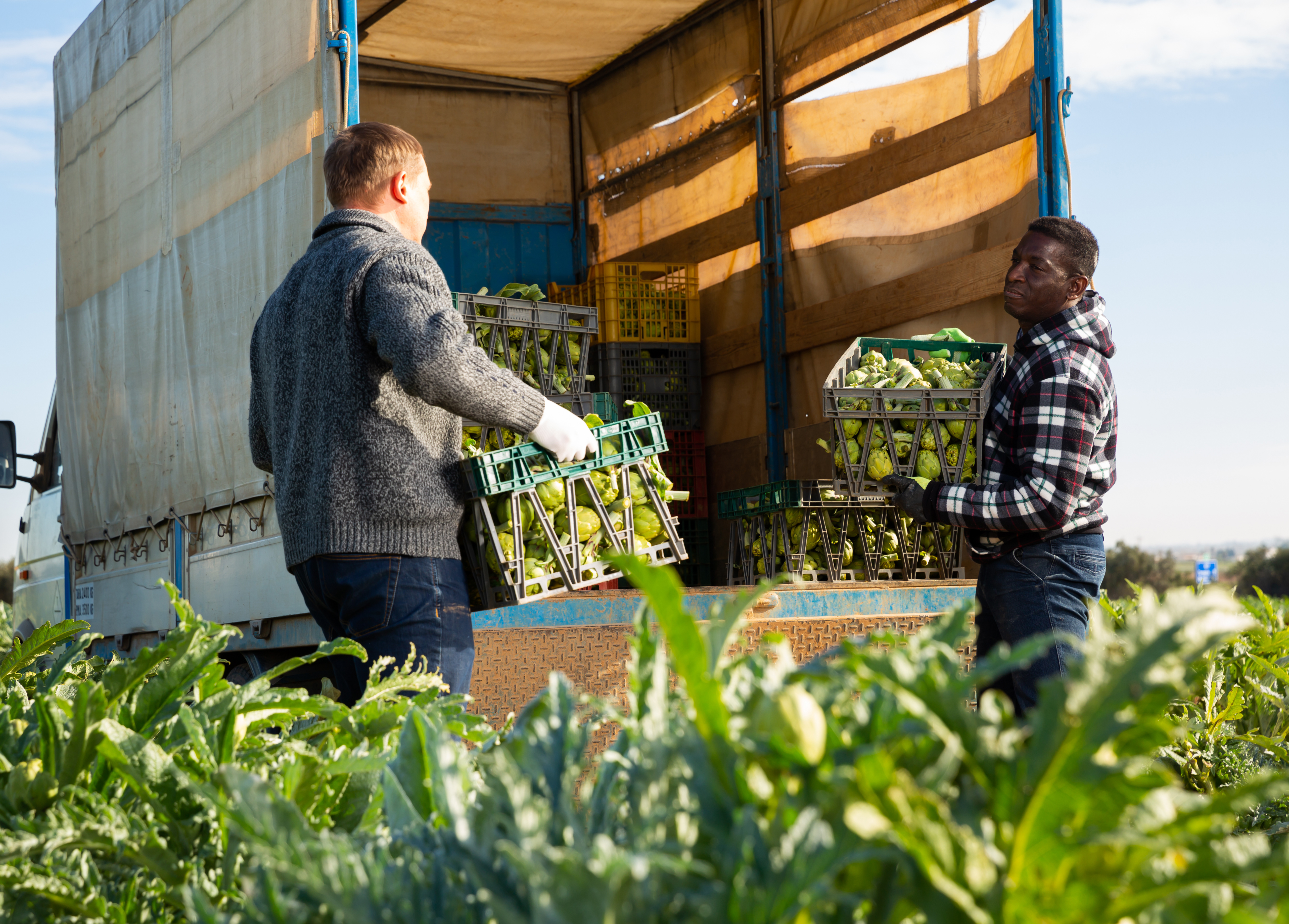
For decades, the global food supply chain has operated on a paradox.
We’ve built incredibly sophisticated downstream systems—ERP platforms, logistics engines, compliance frameworks—yet the very foundation of all that intelligence still begins in the field… often on paper.
Handwritten logs. Bin tags. Clipboards. The “first mile” remains stubbornly analog.
And that’s where the problem begins.
The Hidden Cost of a Keystroke
In most digital systems today, data is only as good as what gets entered—and how quickly. But in agriculture, speed isn’t a luxury; it’s a necessity.
Harvest windows are tight. Labor is constrained. Conditions are unpredictable.
Every second spent typing into a device is a second taken away from the actual work of harvesting, sorting, and moving produce.
So teams adapt. They delay entry. They batch records. They approximate.
And unintentionally, they introduce friction—and worse, data gaps.
These gaps don’t stay local. They cascade downstream:
Incomplete traceability
Increased rejection rates at intake
Manual reconciliation overhead
Compliance risks under tightening regulations like FSMA 204
The industry has tried to solve this by asking one simple thing: “Can we make data entry easier?”
But that’s the wrong question.
The Right Question: What If There Was No Typing at All?
At Tracerty, we’ve taken a different approach.
Instead of optimizing the keyboard… we’ve eliminated it.
“Zero-Typing” isn’t a feature. It’s a fundamental shift in how data is captured at the source.
It means:
Capturing field data through image recognition of bin tags and handwritten notes
Using voice interfaces that work naturally in real-world conditions
Running intelligent agents that structure raw inputs into compliance-ready data automatically
No forms. No re-keying. No disruption to the harvest flow.
Because if a solution slows the field, it simply won’t be adopted—no matter how powerful it is.
Designing for Reality, Not for Software Demos
One of the biggest mistakes in agri-tech has been designing for ideal conditions.
Stable connectivity. Clean interfaces. Perfect user behavior.
That’s not the field.
The field is:
Dusty
Fast-paced
Often offline
Operated by teams who don’t have time for “systems”
This is why Tracerty’s approach is offline-first and edge-synced, ensuring that data is captured when it happens—and synced when connectivity allows.
We’re not asking the field to adapt to technology. We’re adapting technology to the field.
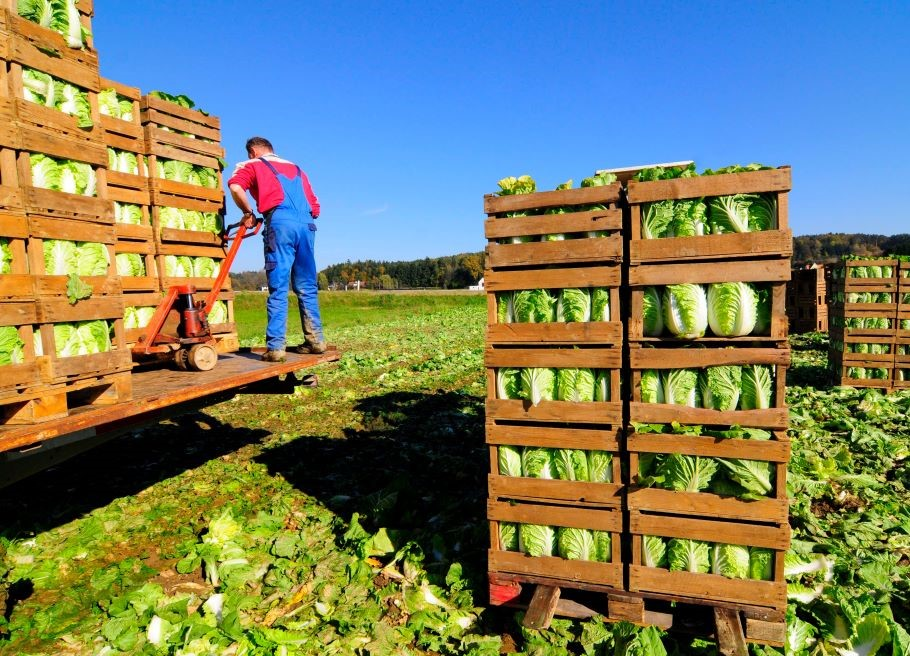
From Data Capture to “Golden Records”
When you remove typing friction, something powerful happens:
Data becomes immediate, accurate, and complete.
And that unlocks the real opportunity—not just compliance, but intelligence.
Each harvest event transforms into a high-fidelity “Golden Record”:
Time-stamped
Location-aware
Lot-specific
Audit-ready
This isn’t just about meeting regulatory mandates.
It’s about enabling:
Faster intake at distribution centers
Reduced chargebacks and rejections
Seamless integration into downstream systems
Trust across every node of the supply chain
The Bigger Shift: From Burden to Advantage
For too long, compliance has been treated as a cost center—a necessary burden to maintain market access.
But what if compliance data could become a strategic asset?
That’s the shift we’re building toward at Tracerty.
By removing the friction at the very first step—data capture—we’re enabling a system where:
Growers can prove the quality of their produce with certainty
Distributors can operate with real-time clarity
Retailers can trust the integrity of what reaches their shelves
All starting from a simple idea:
The best data is the data you never had to type.