
The Tactical Wedge: Why FSMA 204 Is the Catalyst for First-Mile Digitization
In today’s rapidly evolving digital landscape, technology is transforming industries at every level—and the food supply chain is no exception. With increasing demand for transparency, safety, and efficiency, regulations like FSMA 204 are pushing organizations to rethink how they manage data, especially in the critical “first mile” of operations.
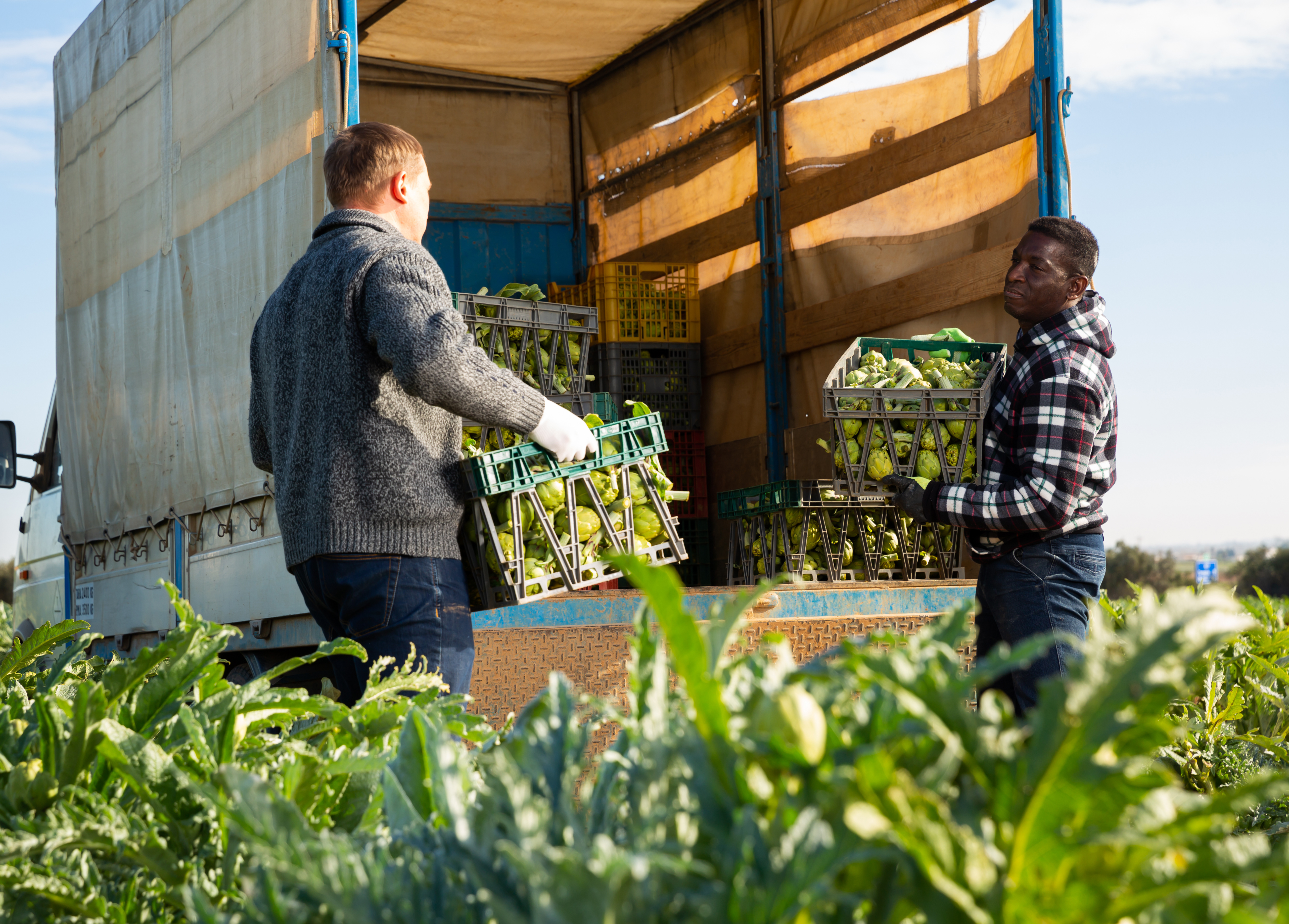
The first mile—where food is grown, harvested, packed, and initially shipped—has traditionally been the least digitized part of the supply chain. However, it is also the most crucial stage for ensuring traceability and compliance. FSMA 204 introduces stricter recordkeeping requirements, making it clear that manual processes and disconnected systems are no longer sufficient.
Understanding FSMA 204 and Its Impact
FSMA 204, part of the Food Safety Modernization Act, mandates enhanced traceability for certain high-risk foods. Businesses must maintain detailed records of key data elements (KDEs) and critical tracking events (CTEs). This shift is not just about compliance—it’s about creating a more transparent and resilient supply chain.
Organizations that fail to modernize risk falling behind, facing penalties, or struggling with inefficient recalls. On the other hand, those that embrace digital solutions gain better visibility, faster response times, and improved operational control.
Why the First Mile Needs Digitization
The first mile is often fragmented, involving multiple stakeholders, manual documentation, and limited visibility. Digitizing this stage enables:
Real-time data capture and tracking
Improved accuracy and reduced human error
Seamless data sharing across the supply chain
Faster and more efficient recall processes
By implementing digital tools early in the supply chain, companies can ensure that accurate, standardized data flows throughout the entire ecosystem.
The Role of Technology in Compliance
Modern technologies such as cloud platforms, IoT devices, and mobile applications are playing a key role in enabling FSMA 204 compliance. These tools allow businesses to:
Capture data at the source
Automate recordkeeping and reporting
Integrate systems across partners and suppliers
Maintain audit-ready documentation
“Digitization is no longer optional—it’s a strategic necessity for compliance, efficiency, and long-term growth.”
“The first mile is where traceability begins—without accurate, real-time data at the source, the entire supply chain is at risk.”
Overcoming Challenges in Adoption
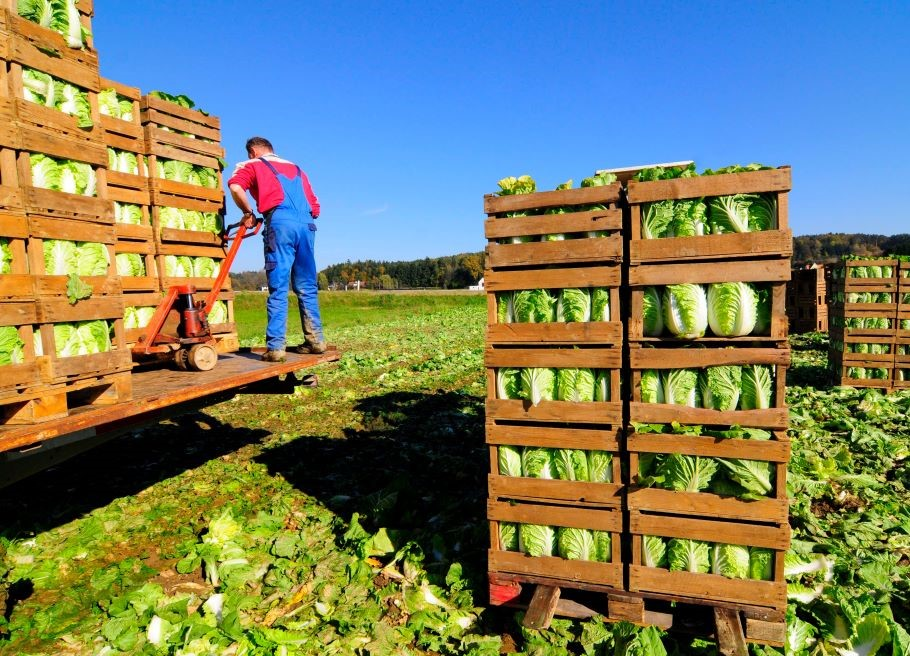
While the benefits are clear, transitioning to digital systems in the first mile can be challenging. Common barriers include:
Resistance to change
Limited technical infrastructure
Training and onboarding requirements
Integration with legacy systems
To overcome these challenges, organizations should focus on scalable, user-friendly solutions and provide adequate training to ensure smooth adoption
Building a Future-Ready Supply Chain
FSMA 204 is more than a regulatory requirement—it’s a catalyst for innovation. By embracing digitization in the first mile, businesses can unlock new levels of efficiency, transparency, and trust.
Early adopters will not only meet compliance standards but also gain a competitive advantage in an increasingly data-driven world.
Conclusion
The push for traceability under FSMA 204 is reshaping the food industry. Digitizing the first mile is no longer a future goal—it’s an immediate priority. Organizations that act now will be better positioned to navigate regulatory demands, improve operations, and build a safer, more transparent supply chain.